Ancient Roman Coins
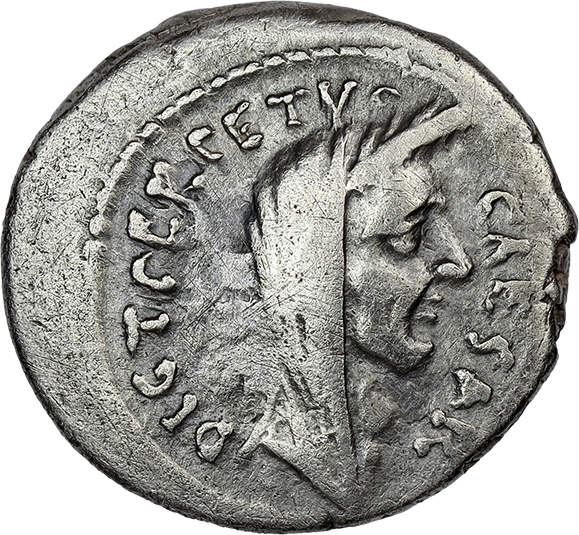
Coins are among the most important sources of information from the time of ancient Rome. Since other legacies, such as statues and inscriptions, were lost over the centuries or even deliberately erased in accordance with the “damnatio memoriae” process, the portraits on coins are often the only testimony to the appearance of an emperor.
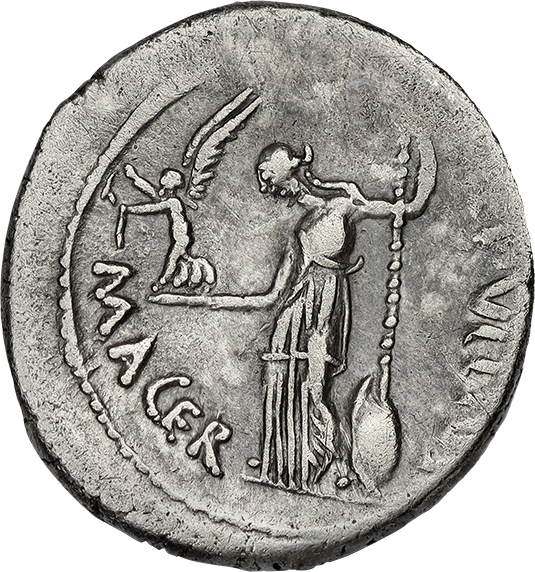
In addition to their function as a means of payment, they were used primarily as a propaganda medium. The Roman emperors had themselves immortalized in very specific forms of representation, e.g. either with or without a beard, and with inscriptions reporting on their greatest victories. The gods from the Roman pantheon that were favored by a ruler were also depicted in order to express gratitude for their support. The immense variety of motifs is caused by the fact that the coins were produced in a great many different mints, from Portugal to Jerusalem and from the British Isles to North Africa. Sometimes the minting was done by the soldiers in the local field camps, who in this way produced their earned pay themselves. One reason for this was that transporting the raw material was easier and safer than transporting finished coins.
- Over 50 different emperors and their wives
- Motifs of Roman gods
- Symbols of great triumphs
- Customized packaging